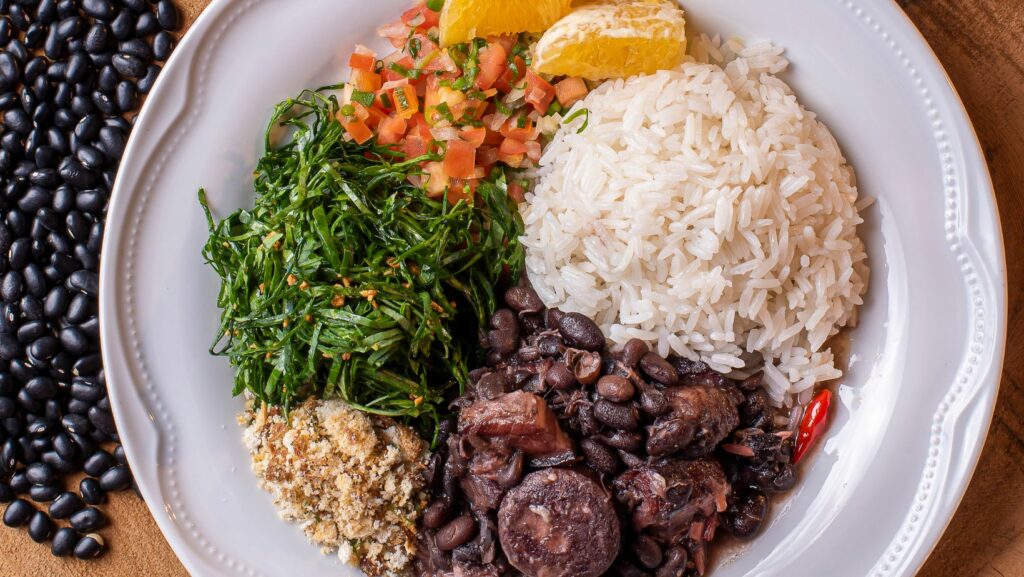
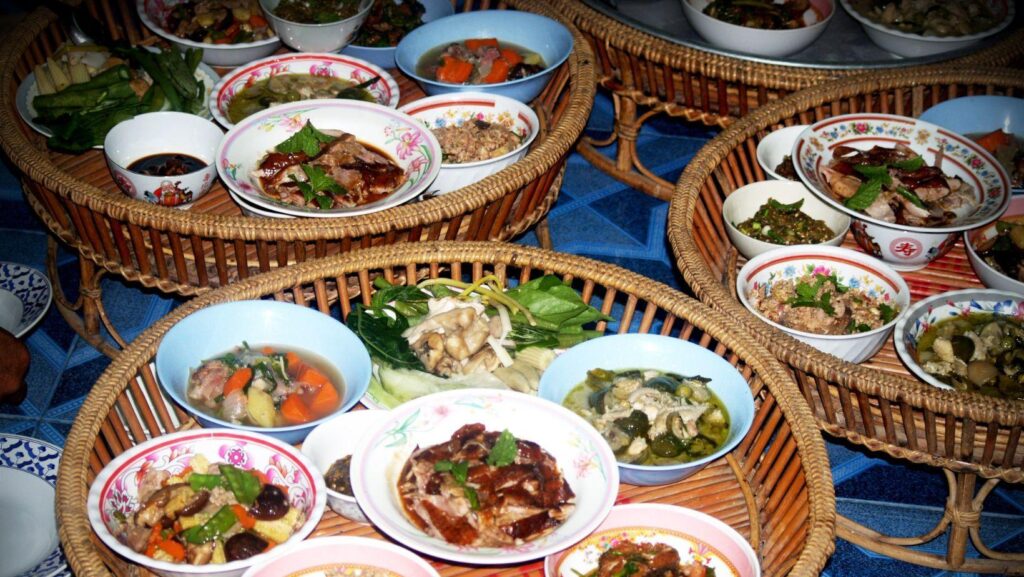
The flavours are a good starting point at the centres of city exploration, while searching for an authentic web huay online might feel like a roll with the dice but come across that bowl of noodles and you always hit, right in the basket. Many think of street food as fast and simple, but not you to you it is history on a paper plate. The smell, the sound of Bangkok in fact, every country captured through night markets and taco stands defined local identity much more than any museum ever could.
The Heartbeat of Local Communities
Street Food Vendors, The Unsung Heroes of the Culinary World. For many, perfecting just one dish can take decades and recipes get passed down through generations. Eating at a stall means you’re not just a customer; you’re part of an age-old tradition. And that connection between the cook and the community is what gives every great street food culture its strength and place in all of our hearts.
Food culture is the definer of our global identity. Food is the only universal language that knows no borders. From the spices used to the way a table is set, every detail has migration, climate, and creativity stamped on it.
The Evolution of Flavor
Historical Trade Routes: Most “classic” recipes exist solely because of centuries-old spice routes that transported ingredients (such as chili peppers and cumin) via ship across oceans.
Adaptation: Immigrant communities tend to adapt their home recipes incorporating local ingredients, which can lead to a new “fusion” cuisine integrating with their culture staples.
Social Rituals: For the most part, eating in different cultures serves as a communal ritual to strengthen family ties and resolve disputes.
How Geography Influences Taste
The plate is pure environment. Seaside communities have a tendency to favor seafood more heavily, whereas the mountainous regions tend to focus on cured meats and robust grains. That geographical necessity well evolves into a cultural pride of which locals are, however emotionally limp-wristed, devout guards.
What Makes for a Thriving Food Culture
But to comprehend a niche such as the one we have here, “Food Culture” well, we need to look beyond just the ingredients. Dining is about the ambience, the manners, and the mutual familiarity of “borderless education” at the dining table.
Traditional Cooking Methods
Several cultures boast about techniques they have been using for centuries. Be it a clay oven (tandoor) or slow cooking meat in an underground smoker, they recreate a taste that present technology simply cannot. It takes immense patience for these methods and speaks volumes on the priority of quality over speed.
The Significance of Spices
Despite not being the only method of adding heat, spices give a “fingerprint” to a region. The herb mixture in a French fines herbes is very different compared to the complex and pungent Garam Masala.
Street Food Etiquette
There is a “street food code” in every country. Some places you are expected to eat on the go, others require a plastic stool. What are these small social cues that will allow you to rub elbows like one of the locals?
Seasonal Celebrations
Six food cultures are anchored by the harvest. Unique food festivals, whether aimed at the annually first corn, wine harvest and fully lunar New Year, emphasize preparation options of our dinner table moving many inwardly related to life inscribed based setup cycles of this planet.
Sustainability and Waste
Many traditional food cultures are “nose-to-tail” type eaters. No part goes to waste and every single inch of an animal / plant is used creatively in one way or another a true tribute to where food comes from.
How New Trends are Adapting Food Culture
Food culture has always been changing but today, in the age of digital media, everything is getting transformed rapidly. Regional snacks have become global sensation within a night thanks to social media. It raises awareness while risking the integrity of traditions.
The Rise of Food Tourism
Not only wanted to experience popular attractions they wanted to eat like locals. Now this “foodie” revolution to go live in many countries with feasting, cooking classes and market tours allowing tourists to bring a piece of culture home.
Digital Influence and Viral Dishes
A small vendor can became an overnight sensation owing to Instagram and TikTok. While this is wonderful for the business, it often leads to a form of “aesthetic-first” cooking where pleasing appearance become far more significant than the actual taste or cultural significance of the food.
Keeping a Little of the Food Culture Real
In an increasingly “homogenized world,” it is important to keep unique food traditions alive. By supporting local markets and family-owned eateries as opposed to global chains, we can ensure that these traditions are preserved.
Why Small Vendors Matter
All of the local vendors you buy from, with each purchase, you are literally funding the keeping alive of a recipe that would otherwise die. The small businesses are the guardian of taste. This world would be grey and monochromatic without them.
The Future of Traditional Cuisine
Younger cooks are figuring out how to bring those classic dishes into the 21st century without losing their soul. With top quality organic ingredients, sticking to old-world methodology-for purpose, they are making a stand that food culture does still matter into the 21st Century.